
Can Political Events Cause Trauma? Understanding the Psychological Impact
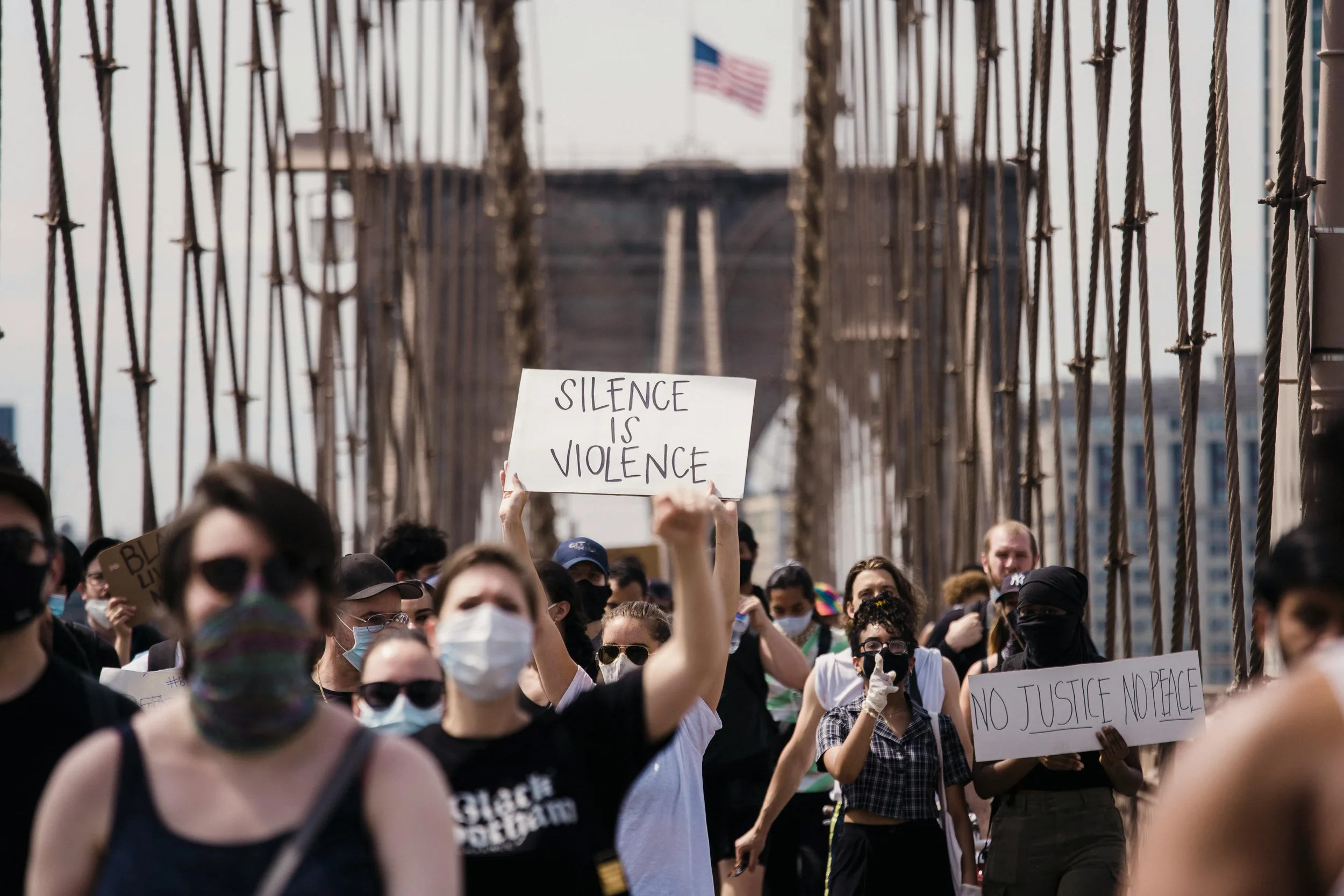
Political events rarely stay confined to government buildings or campaign stages. They spill into group chats, family dinners, workplaces, and the quiet moments when you’re scrolling before bed.
Even if you try to limit your exposure, headlines have a way of finding you. The pace of the news cycle leaves little room to fully process what’s happening before the next update arrives. For many people, the emotional impact goes beyond irritation or disagreement. It often feels destabilizing and deeply personal.
Political events can have a real and lasting psychological impact. Understanding how and why that happens is an important step toward protecting your mental health.
What Political Trauma Actually Means
Political trauma is emotional harm connected to political events, systems, or social unrest. You don’t have to be physically present at a protest or living in a conflict zone to feel its effects. Repeated exposure to disturbing news or rhetoric that threatens your safety or identity can keep your nervous system on high alert.
When something challenges your sense of security or belonging, your body reacts. Sleep may become harder. Concentration slips. You might feel tense or on edge without fully understanding why.
For some, the response looks like persistent anxiety. It can also resemble symptoms of post-traumatic stress. These reactions are protective responses to perceived threat.
The Impact Reaches Further Than We Realize
It’s easy to assume that only people directly involved in political conflict are affected. In reality, anyone immersed in a constant news cycle can feel the strain. Heavy media consumption is associated with increased anxiety and depressive symptoms during periods of unrest.
For marginalized communities, the stress often runs deeper. When public debate centers on your rights or safety, it stops feeling abstract. Living in a heightened state of vigilance takes a toll over time.
People with a history of trauma may also notice old emotions resurfacing. Political unrest can echo earlier experiences of instability or harm, making it harder to feel grounded.
How Ongoing Political Stress Shows Up
Chronic anxiety fueled by uncertainty is common. When major decisions feel outside your control, helplessness can set in and gradually shift into hopelessness.
Sleep disruptions and compulsively checking the news often follow. Relationships may grow strained as disagreements turn personal, and some people withdraw to avoid conflict.
Add political stress to existing work, financial, or family pressures, and coping becomes harder. If your nervous system is overloaded, even minor stressors can feel overwhelming.
Why It Feels So Personal
Humans are wired for safety and connection, but political instability challenges both. Economic uncertainty, social division, and public conflict can activate fears about security and belonging. Political events may unfold on a large stage, yet their emotional effects often land close to home.
Polarization deepens the impact. As communities fracture, support systems naturally feel less steady. Disagreements turn into rejections of identity rather than differences in opinion.
Protecting Your Mental Health
You may not be able to change the headlines, but you can change how much access they have to you. Setting limits on news consumption helps foster balance. Choosing specific times to check updates is often more sustainable than scrolling throughout the day.
If certain conversations leave you feeling drained or agitated, it’s okay to step away. Boundaries protect your well-being.
Grounding practices such as slow breathing, movement, or time outdoors can calm an activated nervous system. For some, meaningful engagement, like volunteering, restores a sense of agency.
If political stress begins interfering with your sleep, work, or relationships, professional support can help. Therapy offers space to process what feels overwhelming and strengthen resilience. You do not have to navigate the emotional weight of the world alone.
–
If current events are leaving you anxious, exhausted, or on edge, reach out to our practice for support through individual therapy. Steady ground is still possible, even in uncertain times.