
Walk and Talk Therapy: A Natural Approach to Emotional Healing
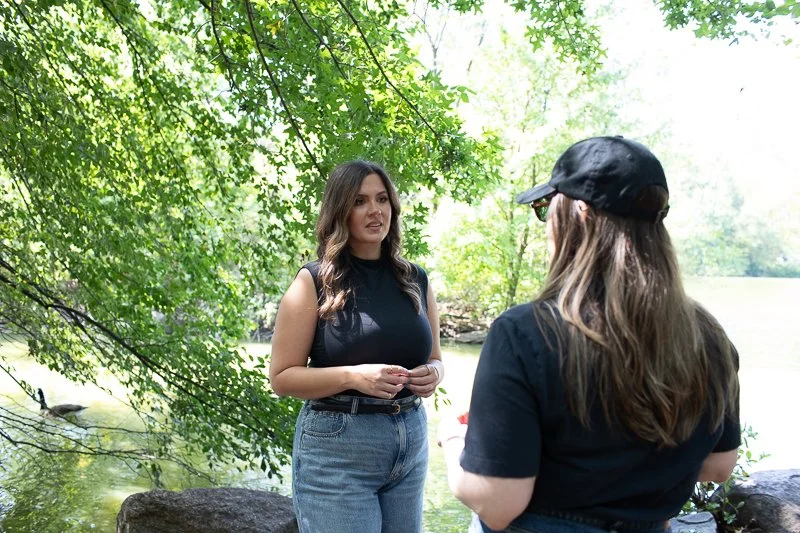
For many people, the idea of sitting across from a therapist in a traditional office setting can feel intimidating. Walk and talk therapy offers a refreshing alternative. It trades the four walls of a counseling room for open air, natural surroundings, and the gentle rhythm of movement. By combining psychotherapy with the grounding benefits of nature and physical activity, this approach creates a uniquely supportive space for emotional healing.
Are you managing stress, navigating a major life change, or simply looking for a therapy style that feels more natural to you? Walk and talk therapy may offer exactly the shift you’ve been looking for.
What Is Walk and Talk Therapy?
Walk and talk therapy is a form of psychotherapy conducted outdoors while client and therapist walk side by side. Rather than sitting face-to-face across a desk, both participants move together through a park, trail, or other accessible outdoor space.
The therapeutic work of exploring feelings, processing experiences, and developing coping strategies remains the same as in a traditional session. But the setting feels far less formal. For many people, this relaxed structure lowers the pressure they associate with therapy and makes it easier to open up naturally during conversation.
Why Nature Can Support Emotional Well-Being
There is a growing body of research supporting what many people intuitively know. Spending time outdoors is good for mental health. Natural environments have been shown to reduce stress hormones and encourage a sense of calm that can be difficult to access indoors.
When clients are surrounded by greenery and fresh air, the backdrop itself becomes a therapeutic tool that encourages self-reflection and helps anchor attention to the present moment. For individuals who struggle with rumination or feel overwhelmed by difficult emotions, nature’s quiet, unhurried pace can provide genuine relief.
The Powerful Connection Between Movement and Mental Health
Walking isn’t just good for the body. It directly supports emotional processing and mental clarity. Gentle physical activity increases endorphins, helps regulate the nervous system, and can reduce feelings of anxiety and low mood.
Movement also carries a meaningful symbolic quality in the context of therapy. The experience of physically moving forward can mirror and reinforce an internal sense of progress. This helps clients feel less stuck in difficult thoughts or emotional patterns. Many people find that ideas and insights arise more freely when they’re in motion, making walking a natural companion to the reflective work of therapy.
What to Expect During a Session
Walk and talk sessions typically take place in local parks or nature trails. Clients are encouraged to wear weather-appropriate clothing and shoes suited for walking. Your therapist will work with you to choose a route that feels accessible and private, and confidentiality is taken just as seriously outdoors as it would be in any other therapeutic setting.
Accommodations can be made for varying physical abilities or weather conditions. The therapist’s role remains consistent. They provide a safe and supportive space for your work together.
Who Can Benefit from Walk and Talk Therapy?
Walk and talk therapy is a flexible approach that can be adapted to a wide range of needs and goals. It tends to be especially helpful for individuals managing anxiety, stress, depression, grief, or the emotional weight of major life transitions. It can also be a strong fit for anyone who feels uncomfortable in a traditional office environment or who has found it hard to engage with therapy in the past. Sessions are tailored to each person’s unique circumstances, so this approach is not limited to those who are highly active.
—
If you’re curious about walk and talk therapy and whether it might be right for you, we’d love to connect. Reach out to our practice to learn more about this option.