
What Is Autism Awareness Month? Key Facts and Resources
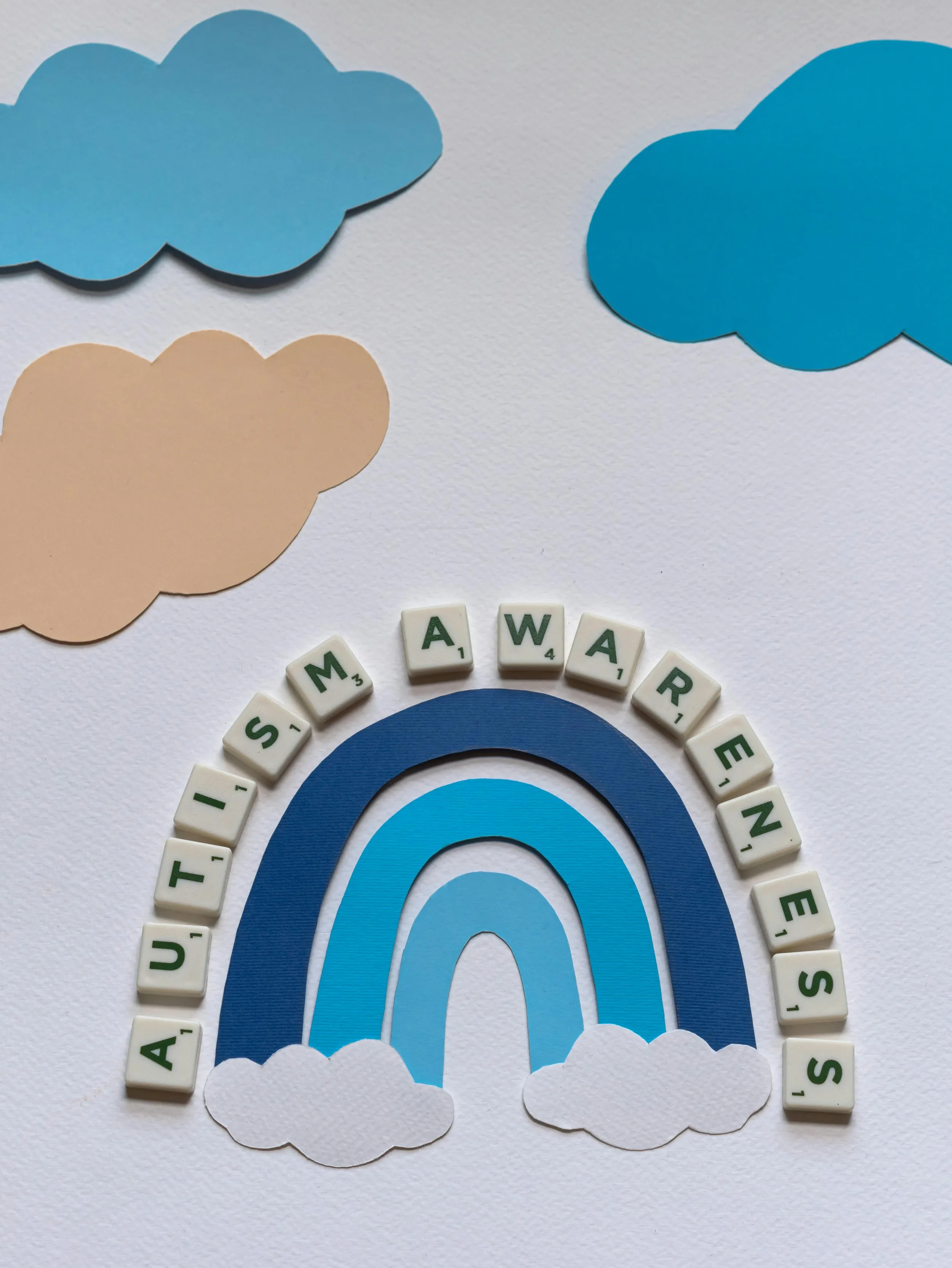
Every April, communities around the world observe Autism Awareness Month. This is a global initiative dedicated to raising understanding, promoting acceptance, and supporting individuals with Autism Spectrum Disorder (ASD) and their families. At the heart of this month is World Autism Awareness Day on April 2. The date was established by the United Nations in 2007 to draw international attention to the unique needs and strengths of autistic people.
Whether you are a parent, educator, caregiver, or simply someone who wants to learn more, this month offers a meaningful opportunity to deepen your understanding and show up for the autistic community. Let’s take a deep dive into Autism Awareness Month.
What Is Autism Awareness Month?
Autism Awareness Month has roots in earlier advocacy efforts, including National Autistic Children’s Week, which was observed in the United States as far back as the 1970s. Over time, awareness expanded. April was broadly adopted as a dedicated month for education, advocacy, and community support. Today, organizations and communities worldwide use April as a platform to share resources, challenge stigma, and celebrate the contributions of autistic individuals.
Understanding Autism Spectrum Disorder
ASD is a developmental condition that affects communication, behavior, and social interaction. The word “spectrum” reflects the wide range of ways autism can present. The spectrum includes individuals who are highly verbal and academically advanced to those who communicate differently or require more intensive daily support. Across the spectrum, every autistic person is a whole individual with their own strengths, challenges, and story.
Early Signs and Characteristics
Signs of autism typically emerge in early childhood. Symptoms often become noticeable between 24 and 36 months. Common characteristics can include limited response to one’s name, difficulty with eye contact, sensory sensitivities to things like sound, smell, or texture, repetitive behaviors or speech patterns, and communication styles that tend to be more one-sided or literal.
It is equally important to recognize what autistic individuals often bring to the table, such as exceptional memory, deep focus on areas of interest, strengths in music, mathematics, visual thinking, and more. Awareness means seeing the full picture.
Key Facts About Autism Awareness Month
Autism is more common than many people realize. According to the CDC, approximately 1 in 36 children in the United States is diagnosed with ASD. Research also indicates that a significant portion of autistic individuals demonstrate above-average intelligence or exceptional abilities in specific areas.
You may recognize the color blue associated with autism awareness campaigns. In particular, the “Light It Up Blue” initiative encourages landmarks, buildings, and homes to be illuminated in blue on April 2 in solidarity with the autistic community.
How to Support and Raise Awareness
There are many meaningful ways to get involved during April and beyond. Participating in local walks, fundraisers, or workshops puts you in community with others who care. Supporting businesses that intentionally employ autistic individuals is another tangible way to make a difference.
Donating to organizations focused on research, advocacy, and services extends your impact further. Advocacy also means pushing for better policies, improved access to services, and equitable funding for autism research. Every voice counts.
Resources and Everyday Actions
Support does not have to end on April 30. National associations, local community programs, school-based services, and state agencies often offer workshops, toolkits, and volunteer opportunities.
In daily life, inclusion starts with education, kindness, and consistency. Learning about autism, speaking out against stigma and misinformation, and treating autistic individuals with the same respect and curiosity you would extend to anyone are small actions with lasting impact.
–
Are you a parent or caregiver navigating an autism diagnosis? We are here to help. Reach out to learn how we can support your family through autism therapy and schedule a consultation with us.