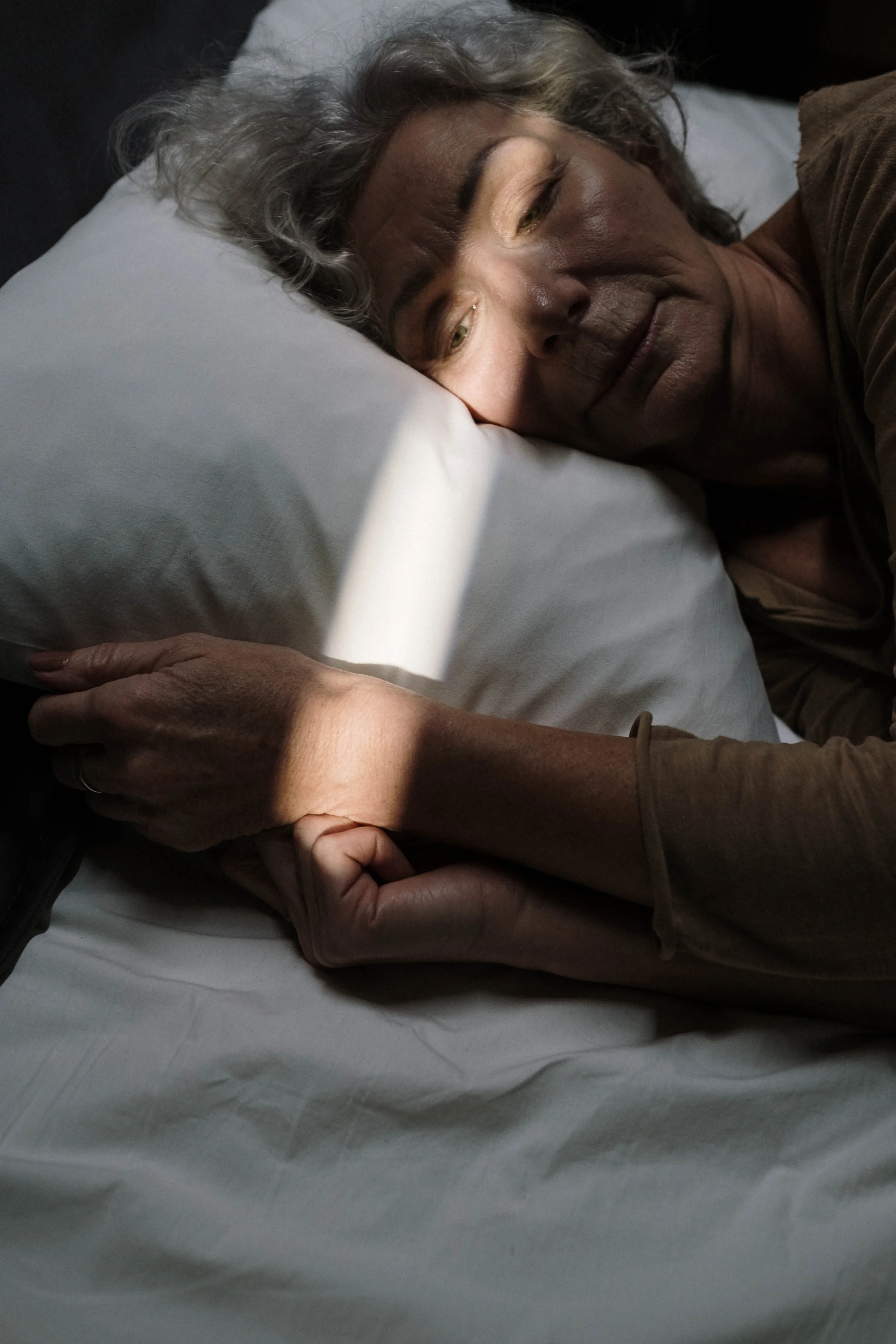
How to Recognize the Symptoms of Bipolar Depression

When people think of bipolar disorder, they often picture the manic or hypomanic episodes characterized by bursts of energy, racing thoughts, and impulsive decisions. But for many, the depressive episodes are far more frequent and can have a much greater impact on daily life.
Bipolar depression is also commonly mistaken for major depressive disorder, since so many symptoms overlap between the two conditions. Understanding both the common symptoms and the subtler early warning signs can make a real difference in getting an accurate diagnosis and the right treatment sooner rather than later. Here are a few key symptoms of bipolar depression to watch out for.
What Is Bipolar Depression?
Bipolar depression refers to the depressive phase of Bipolar I or Bipolar II disorder. These episodes typically last two weeks or longer and can significantly affect relationships and everyday functioning at work and at home.
While bipolar depression and unipolar depression can look similar on the surface, the treatment approaches often differ in important ways. This is why a comprehensive mental health evaluation is essential for an accurate diagnosis and a beneficial treatment plan.
Common Symptoms of Bipolar Depression
People experiencing bipolar depression often notice a persistent sadness or emptiness, along with a loss of interest in things they once enjoyed. Fatigue and low energy can make even simple daily tasks feel exhausting. Sleep is frequently disrupted, whether that means sleeping far more than usual or struggling with insomnia, and appetite or weight changes are common as well.
Many people also describe difficulty concentrating or a mental fog that slows their thinking. Feelings of guilt, worthlessness, or hopelessness can creep in, and in more serious cases, thoughts of death or suicidal ideation may occur. If these thoughts arise, seeking immediate professional support is critical.
Early Warning Signs You Shouldn’t Ignore
Before a full depressive episode takes hold, subtle signals sometimes appear days or even weeks in advance. These early warning signs might include increasing forgetfulness and trouble focusing, as well as a sense that everyday responsibilities have suddenly become overwhelming.
Some people start withdrawing from friends and family and become more self-critical. They might notice unexplained guilt creeping in. Irritability and reduced patience are also common, along with shifts in sleep patterns or a loss of enjoyment in favorite activities. Learning to recognize these personal patterns can make early intervention far more impactful.
How Bipolar Depression Differs from Major Depression
On the surface, bipolar depression and major depression can look nearly identical. A few clues, however, often point toward bipolar disorder. These include a history of manic or hypomanic episodes and a family history of bipolar disorder. Mixed features like racing thoughts occurring alongside depressive symptoms can be a key sign.
Depression that begins at a young age, recurs frequently, or worsens with antidepressant use can also be meaningful indicators. Because these two conditions call for different treatment strategies, distinguishing between them is essential for finding the safest and most effective path forward.
When to Seek Professional Help
It’s understandable to want clarity, but self-diagnosing based on symptoms alone isn’t the most clarifying route. If depressive symptoms persist or keep returning, a professional evaluation can offer real answers. Tracking changes in mood, sleep, and energy over time can help reveal patterns worth discussing with a provider.
Building a support system and working with a mental health professional to create a personalized wellness plan can make an enormous difference. The encouraging news is that bipolar depression is highly treatable with the right diagnosis, medication, therapy, and ongoing support.
—
If you or someone you love is struggling with symptoms of bipolar depression, help is available. Reach out to our practice to learn more about our bipolar disorder therapy options and take the first step toward feeling more like yourself again.