
Trauma in Movies and TV: What Hollywood Gets Wrong
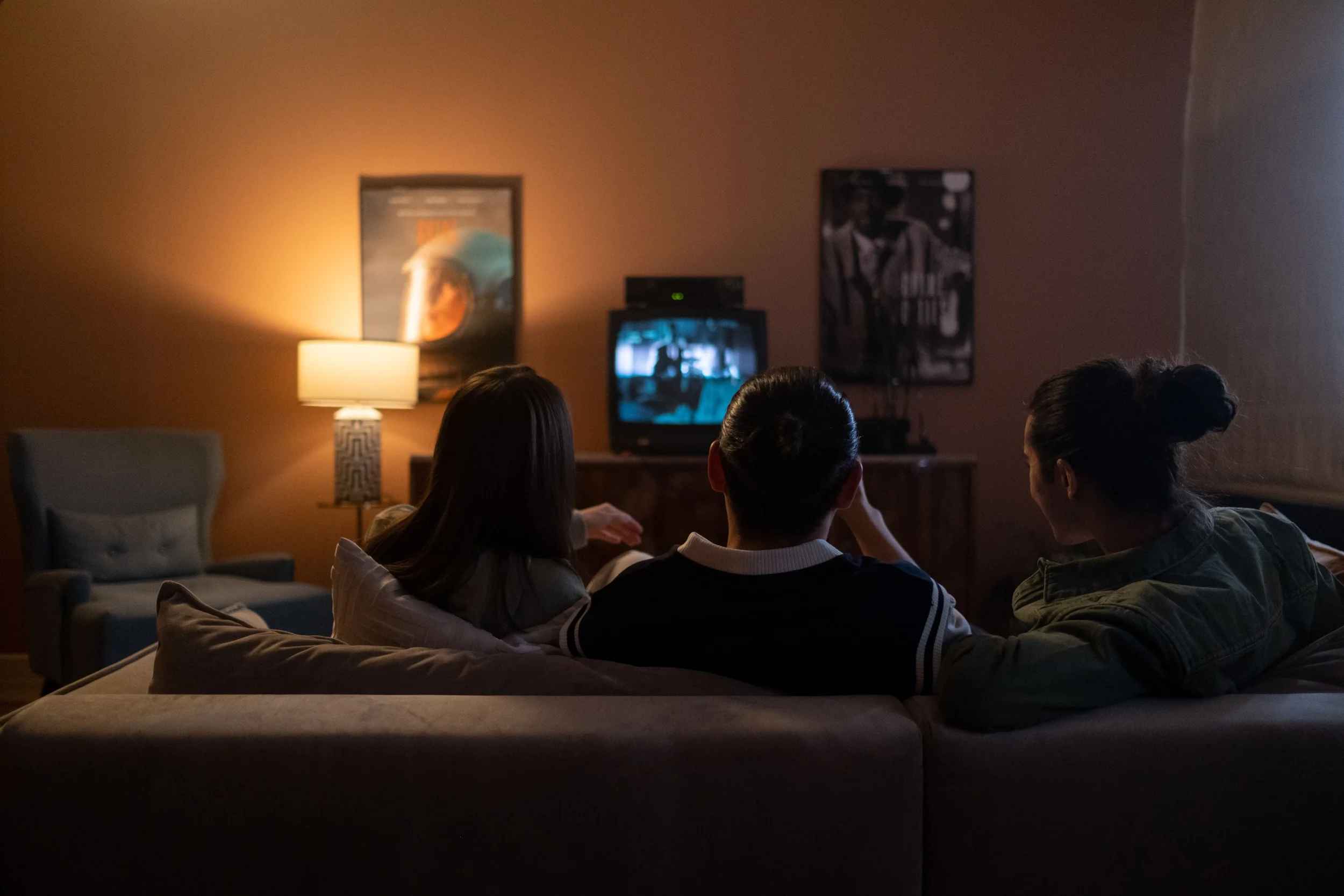
On screen, trauma tends to look unmistakable. A veteran freezes at the sound of fireworks. A survivor relives an assault in a slow-motion flashback. These scenes are powerful, and they have opened conversations about mental health that once stayed behind closed doors. But trauma takes many forms beyond what fits into a two-hour film.
Some of the most common experiences behind trauma remain invisible to the people closest to someone, even those who love them most. Entertainment has helped raise awareness, yet it has also left many people with a narrow picture of what trauma looks like and how recovery happens.
Trauma Is More Than the Dramatic Events We See on Screen
Hollywood tends to link trauma with the kind of extreme event anyone would recognize immediately, like war or an assault. Childhood neglect shapes a person just as deeply, even without a single dramatic scene. The same holds true for emotional abuse or the slow unraveling of an important relationship.
Because these experiences don’t resemble what shows up on screen, people sometimes minimize what happened to them. If your own story doesn’t match a movie plot, that does not make it less real. Clinicians sometimes describe this difference using the terms “big T” and “small T” trauma. Both may carry meaningful weight, regardless of which label fits.
Trauma Doesn’t Always Look Dramatic
Film and television rely on visible symptoms to move a story forward quickly, like a flashback or a sudden outburst of anger. Real responses to trauma take a different form.
A person might withdraw from people they love, or feel numb, as if watching their own life from a distance. Trouble trusting others is common, and so is disrupted sleep. Trauma in childhood, especially, may involve disconnecting from emotions or developing patterns that once helped a child feel safe.
These slower, less visible responses are harder to capture on screen, so they rarely make it into the story.
Hollywood Oversimplifies Triggers and Recovery
Dramatic triggers make for compelling storytelling. A single visit to a specific place sends a character down an entire arc. Real triggers tend to be smaller. A certain smell or a particular tone of voice brings up an old response without warning.
On screen, healing tends to arrive right after a character confronts what happened, wrapped up within a single scene. Real recovery rarely moves in a straight line. Symptoms may ease and then resurface. Relationships change as trust rebuilds over time, and people gradually make sense of what happened, with professional support making a real difference for many along the way.
Trauma Doesn’t Have One Predictable Outcome
Movies frequently suggest that trauma leads to violence or visible instability, as though there were only one predictable outcome. People respond to trauma in ways influenced by personal history and present circumstances.
The relationships someone has, and the resources available to them, matter too. Cultural background and family dynamics affect how trauma is experienced and expressed. There is no single trauma survivor personality, and no single story that fits everyone’s experience.
Looking Beyond Hollywood for a More Complete Understanding
Movies and television have real value. They open conversations about mental health and make once-hidden experiences visible to a wider audience. Dramatic portrayals work well as storytelling, but they were never built to serve as a complete picture of trauma.
If parts of your own experience sound more like the less visible patterns described here than anything you have seen in a film, that difference is worth paying attention to. A conversation with a mental health professional may offer a way to make sense of an experience that does not fit a familiar script.
—
If you recognize yourself in a version of trauma that Hollywood rarely shows, our trauma therapists can help you make sense of it. Contact us to schedule your first therapy session today.